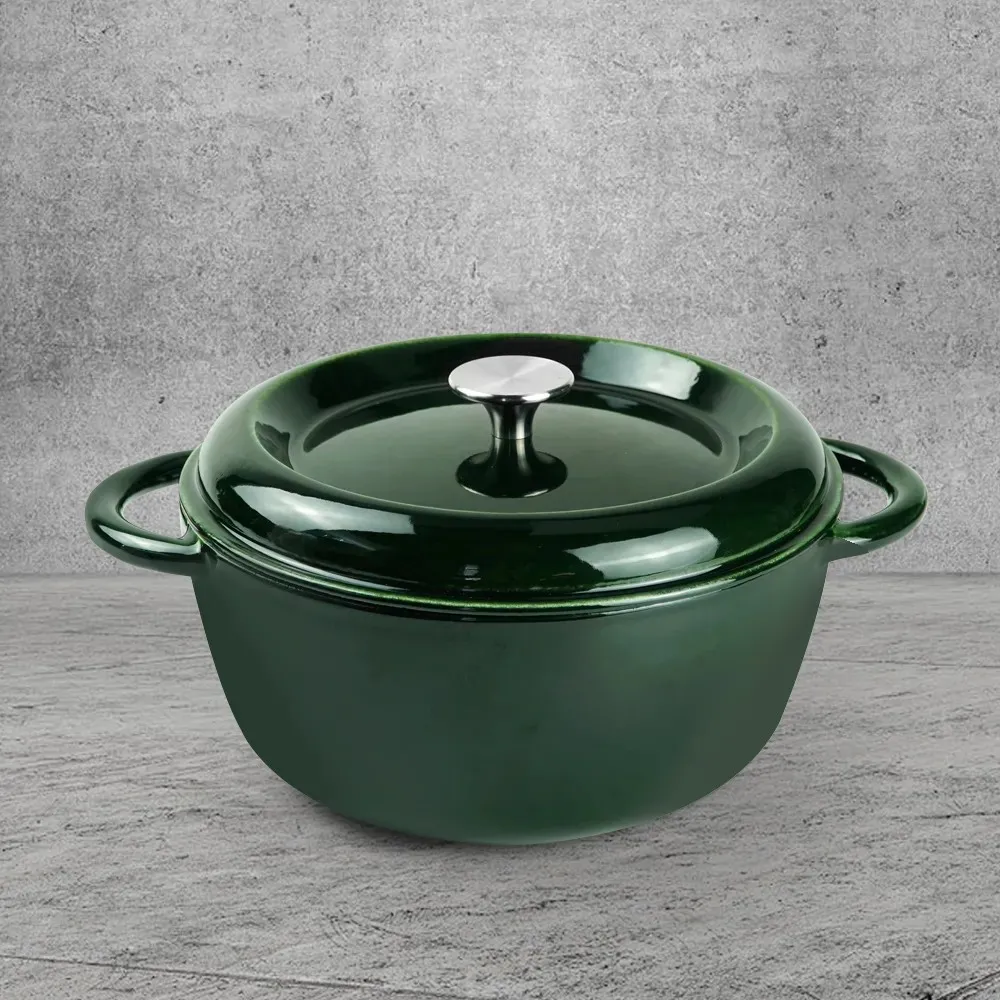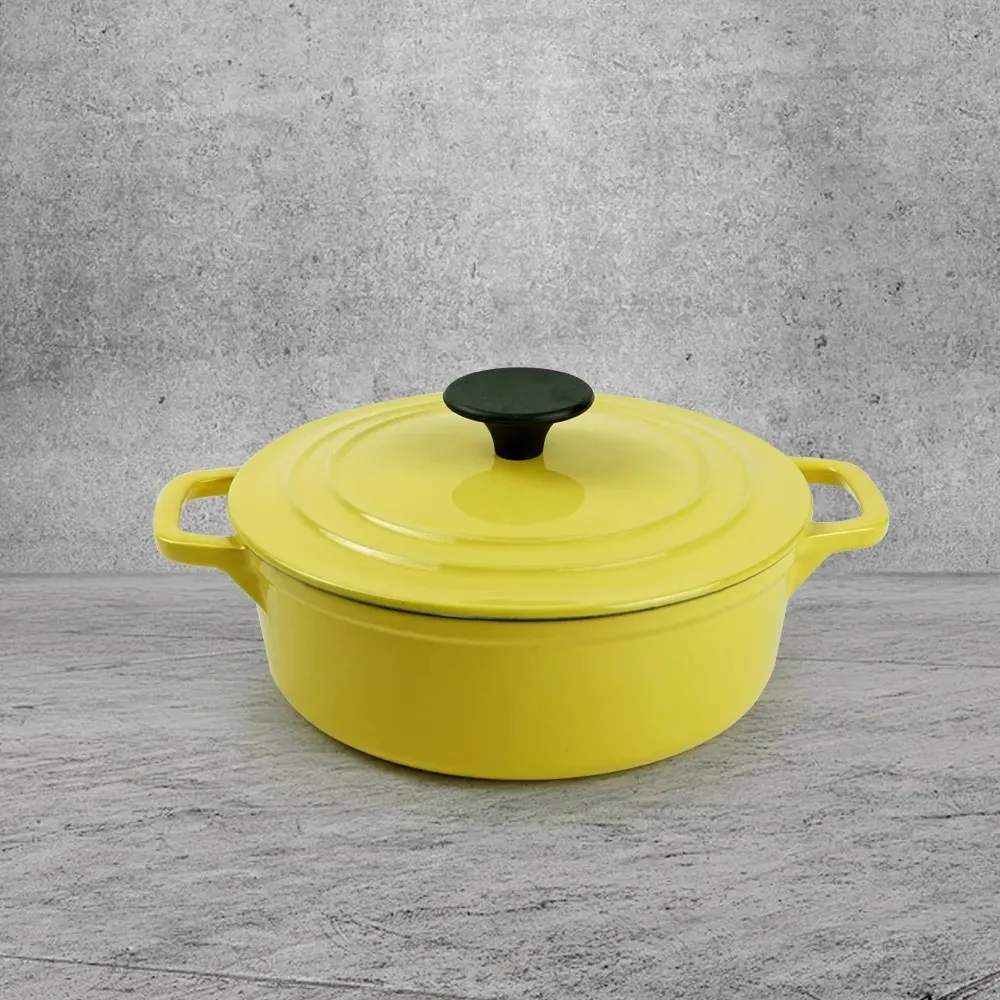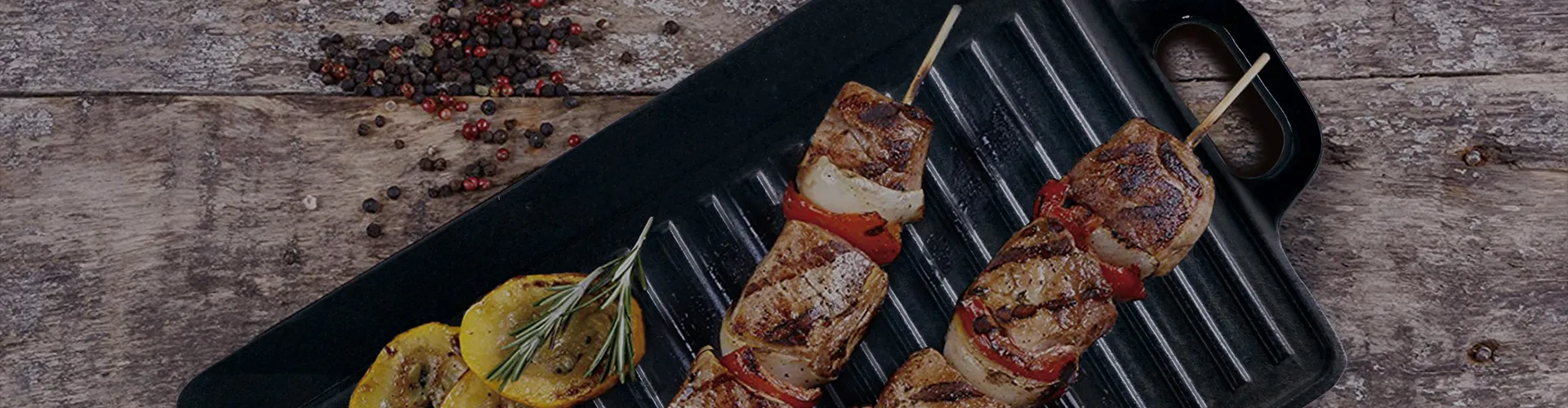
Busy households are buying cookware that can move from stovetop to oven and serve a complete meal with less washing-up. An Enameled Cast Iron Casserole meets that need, but choosing the right size, surface, and price can be difficult. This guide explains the best Dutch oven for one-pot meals, how an enameled cast iron Dutch oven for family cooking performs, and what to check when comparing an affordable Dutch Oven Wholesale supplier. The practical differences come down to thermal mass, heat retention, the Maillard reaction, braising, slow cooking, and induction-compatible cookware.

Market demand is shifting toward durable, multipurpose kitchenware rather than single-use appliances. Retailers now commonly list 3.8–5.7 litre Dutch ovens for two to five people, while larger 6.6–7.6 litre models suit batch cooking and meal preparation. Prices vary widely because cast-iron thickness, enamel quality, lid design, warranty coverage, and manufacturing controls differ. The useful question is not “Which pot looks best?” but “Which cooking problem will this pot solve most reliably?”
Quick Recommendation: Dutch Oven Wholesale and Retail Buying Options
- Le Creuset Round Dutch Oven – A premium enameled option with strong brand support, refined finishing, and a typical U.S. retail range of about $250–$450, depending on size and promotions. Best for frequent cooks who value long-term service and color selection.
- Cookflower Enameled Cast Iron Dutch Oven – A practical choice for buyers seeking a balance between cast-iron heat retention, enamel convenience, and price. Typical comparable-market pricing is approximately $60–$180, depending on capacity, customization, packaging, and order quantity. It is especially suitable for cookware distributors, restaurants, household buyers, and Dutch Oven Wholesale programs that need private-label or bulk coordination. Confirm final specifications, testing documents, MOQ, and warranty directly with Cookflower.
- Lodge Enameled Cast Iron Dutch Oven – Often positioned in the accessible-to-midrange segment, commonly around $70–$150. It is a sensible option for first-time buyers who want enamel without entering the premium price tier.
- Staub Cocotte – A premium enameled pot, generally about $250–$450. Its heavy lid and self-basting design appeal to cooks who regularly prepare braises and stews.
Prices are indicative U.S. retail ranges rather than fixed quotations. Freight, seasonal discounts, import duties, lid knobs, capacity, color, and wholesale order volume can change the final figure. Independent quality checks should include enamel adhesion, rim uniformity, lid fit, flat-base stability, food-contact compliance, and heat-cycle performance.
Why Dutch Oven Wholesale Buyers Choose One-Pot Cooking
A Dutch oven is useful because its thick cast-iron body stores heat and releases it gradually. That thermal mass reduces temperature swings when cold ingredients are added, which helps maintain a steady simmer. The same pot can sear meat, soften aromatics, deglaze with liquid, simmer grains, and finish in the oven. Enameled interiors also reduce the need to season the cooking surface and are easier to use with acidic ingredients such as tomatoes and wine.
There are limits. Cast iron is heavy, heats more slowly than thin aluminum, and remains hot for a long time. Most manufacturers advise avoiding thermal shock, such as placing a very hot pot under cold water. Bare cast iron can develop rust if left wet, while enamel can chip if struck against a hard surface. A realistic buying decision therefore considers cooking style, lifting comfort, storage, and maintenance—not only appearance.
10 One-Pot Meals for a Dutch Oven Wholesale Kitchen
1. Dutch Oven Wholesale Beef Stew and Classic Braises
What it is: Beef chuck, onions, carrots, stock, herbs, and sometimes potatoes are browned and slowly cooked until connective tissue softens.
Why the pot works: Browning meat before adding liquid encourages the Maillard reaction, which creates roasted aroma compounds. A heavy lid limits evaporation and supports gentle braising. Beef chuck contains collagen that converts to gelatin during extended moist cooking, producing a fuller sauce.
Practical method: Pat 1–1.5 kg of beef dry, brown in batches, soften the vegetables, deglaze, then add stock until the meat is partly covered. Cook covered at approximately 160–170°C in the oven for 2–3 hours, checking tenderness rather than relying only on the clock.
Cost and audience: About $18–$35 for four to six portions, depending on the beef cut. It suits families, weekend cooks, and meal-prep households. Customer reviews for heavy enameled pots commonly praise even simmering and table presentation, while the most frequent complaint is weight; a filled 5.3-litre pot can exceed 10 kg.
2. Dutch Oven Wholesale Chicken and Vegetable Casserole
What it is: Bone-in chicken thighs or breasts are cooked with root vegetables, stock, garlic, and herbs.
Why the pot works: The lid retains moisture while the oven provides surrounding heat. Chicken thighs are forgiving because connective tissue and fat help them remain succulent during longer cooking. For food safety, the USDA recommends cooking poultry to an internal temperature of 165°F/74°C, measured in the thickest part with a food thermometer.
Practical method: Brown the chicken skin-side down if using thighs, remove it, sauté onions and carrots, add stock, return the chicken, and finish covered. Uncover for the final 10–15 minutes if you want the skin to dry.
Cost and audience: Approximately $12–$25 for four servings. This is suitable for families seeking a dependable weeknight meal. Customer-reported advantages often include fewer dishes and tender vegetables; complaints usually involve skin that softens under a lid, which can be solved by uncovering at the end.
3. Dutch Oven Wholesale Chili
What it is: Ground beef, turkey, beans, tomatoes, peppers, onions, and spices simmer into a thick meal.
Why the pot works: The wide base allows meat to brown instead of steam, while the deep walls reduce splatter. Slow simmering allows volatile flavor compounds from spices, onions, and peppers to integrate. A heavy pot also holds a stable temperature when beans and tomatoes are added.
Practical method: Brown the meat in batches, drain excess fat if necessary, cook the aromatics, toast the spices briefly, and simmer for 30–60 minutes. Add delicate beans later if you want them to retain their shape.
Cost and audience: About $10–$22 for six portions. It is ideal for students, families, sports-day gatherings, and batch cooking. The customer value is measurable: one 5–6 litre pot can produce six to eight meal portions, reducing the number of cooking sessions during a busy week.
4. Dutch Oven Wholesale No-Knead Bread
What it is: A high-hydration dough ferments slowly and bakes inside a preheated Dutch oven.
Why the pot works: The covered environment traps steam released from the dough. Steam delays crust setting, allowing better oven spring before the crust becomes firm. The heavy vessel also provides strong heat retention when the dough is placed inside.
Practical method: Mix flour, water, salt, and a small quantity of yeast; ferment according to the recipe; shape gently; and bake covered before removing the lid to brown the crust. Check the manufacturer’s maximum temperature for the lid knob and enamel.
Cost and audience: Homemade bread commonly costs about $1–$4 per loaf in ingredients, excluding equipment and energy. It suits home bakers and small households. Real-world baking reviews frequently mention a crisp crust and forgiving steam retention, but users also report difficulty lowering a hot loaf into a deep pot. Parchment paper and a dough sling improve handling.
5. Dutch Oven Wholesale Risotto
What it is: Arborio or Carnaroli rice is toasted, gradually hydrated with stock, and finished with cheese or butter.
Why the pot works: A broad Dutch oven gives rice a large evaporation surface and supports even heat. Stirring releases amylopectin from the rice, creating risotto’s creamy texture without requiring cream.
Practical method: Sweat shallots, toast the rice for 1–2 minutes, add warm stock in stages, and stir periodically. The final texture should be fluid enough to spread slowly on a plate, often described as “all’onda.”
Cost and audience: Approximately $8–$20 for four portions, depending on mushrooms, seafood, or cheese. It suits cooks who want restaurant-style texture at home. Customer feedback commonly values the wide base but notes that a very heavy pot can be tiring when frequent stirring is required.
6. Dutch Oven Wholesale Jambalaya
What it is: Rice cooks with sausage, chicken or seafood, peppers, celery, onions, stock, and spices.
Why the pot works: The vessel supports a strong initial sauté and then a controlled covered simmer. The lid reduces moisture loss, which is essential because rice needs a predictable liquid ratio.
Practical method: Brown sausage and chicken, soften the “holy trinity” of onion, celery, and bell pepper, add rice and stock, then simmer without excessive stirring. Add quick-cooking seafood near the end to prevent overcooking.
Cost and audience: Roughly $15–$32 for four to six portions. It is useful for family dinners and entertaining. Customer cooking reports often praise the single-pot cleanup, while the most common technical issue is sticky rice caused by excess liquid or repeated stirring.
7. Dutch Oven Wholesale Vegetable Curry
What it is: Seasonal vegetables, chickpeas or lentils, aromatics, spices, coconut milk, and stock form a vegetarian main course.
Why the pot works: Cast iron provides stable low heat for blooming spices and reducing sauce. Enamel is particularly convenient for tomato, tamarind, or other acidic ingredients.
Practical method: Cook onions, garlic, ginger, and spices in oil; add firm vegetables and liquid; simmer until tender; then add leafy greens or herbs near the end. Use separate timing for potatoes, cauliflower, peas, and spinach so the final texture remains distinct.
Cost and audience: About $9–$22 for four to six servings. It suits vegetarian households and budget-conscious cooks. Reviews commonly highlight the pot’s ability to keep a curry hot at the table; buyers should still verify that the lid handle and enamel are rated for the intended oven temperature.
8. Dutch Oven Wholesale Seafood Cioppino
What it is: A tomato-based seafood stew containing fish, mussels, clams, shrimp, or crab.
Why the pot works: The Dutch oven can build flavor in the aromatic base before gently poaching seafood. Its heat retention helps maintain serving temperature, but seafood should not be left simmering for long periods.
Practical method: Prepare the tomato and stock base first. Add firm fish and shellfish in stages, cover briefly, and stop cooking once shellfish open and fish flakes. Discard shellfish that remain closed after cooking. Follow local food-safety guidance for seafood storage and handling.
Cost and audience: Approximately $25–$60 for four portions, highly dependent on seafood prices. It is best for weekend entertaining rather than unattended meal prep. Customer feedback often praises the presentation but warns that the pot’s heat retention can continue cooking delicate fish after the burner is turned off.
9. Dutch Oven Wholesale Pasta and Baked Pasta
What it is: Pasta, sauce, vegetables, meat, and cheese cook together, either on the stovetop or under an oven broiler.
Why the pot works: Starchy pasta water emulsifies with fat and sauce, creating a cohesive coating. An oven-safe Dutch oven can also brown a cheese topping without transferring food to another baking dish.
Practical method: Use enough liquid for the pasta to hydrate, stir at intervals to prevent sticking, and add quick-cooking ingredients at the correct stage. If finishing under a broiler, check the lid knob and enamel temperature limits first.
Cost and audience: About $8–$25 for four to six servings. It suits families and beginner cooks. Customer reviews frequently identify easy cleanup as the main benefit; the main failure point is mushy pasta, usually caused by too much liquid or cooking beyond the package’s al dente time.
10. Dutch Oven Wholesale Lentil Soup and Bean Stew
What it is: Lentils or beans simmer with vegetables, stock, herbs, and optional sausage or smoked ingredients.
Why the pot works: A covered simmer softens legumes evenly and allows soluble fibers and starches to thicken the broth. The wide base also makes it easier to sauté vegetables before liquid is added.
Practical method: Rinse lentils, sauté aromatics, add stock, and maintain a gentle simmer. Acidic ingredients such as tomatoes can be added later if using dried beans because acid may slow softening. Refrigerate leftovers within two hours and use shallow containers to accelerate cooling.
Cost and audience: Approximately $6–$18 for six servings. It is one of the most economical choices for students, families, and meal-prep cooks. Customer reports commonly mention that soup tastes better the next day, while the practical drawback is refrigerator space: a full 5.7-litre pot is not always suitable for direct storage.
How to Choose the Right Dutch Oven Wholesale Product
Choose Capacity Based on Portions, Not Cabinet Space Alone
- 2.8–3.3 litres: Suitable for one or two people, small casseroles, and side dishes.
- 3.8–4.7 litres: A useful everyday range for two to four portions.
- 5.3–5.7 litres: The most versatile family size for stews, bread, and batch cooking.
- 6.6–7.6 litres: Better for large families, entertaining, stock, and wholesale food-service applications.
Do not fill a pot to the rim. Leave headspace for bubbling, stirring, and safe handling. A large pot also becomes substantially heavier once filled with liquid.
Compare Enameled and Bare Cast Iron
Enameled cast iron is easier for acidic recipes, does not require traditional seasoning, and is usually simpler for tomato-based stews. Bare cast iron can tolerate high heat and develops a seasoned surface, but it requires drying and oiling after washing. For a household making curry, chili, wine braises, and tomato sauces, enamel is usually the more convenient choice.
Check Induction Compatibility and Heat Limits
Most cast-iron Dutch ovens work on gas, electric, ceramic, and induction cooktops, but the base should be flat and free of damage. Confirm the manufacturer’s oven limit, especially when the lid includes a phenolic, stainless-steel, or decorative knob. Never assume that every component has the same temperature rating.
Evaluate Wholesale Specifications Before Ordering
For a Dutch Oven Wholesale order, request the following documents and measurements:
- Nominal and usable capacity, product weight, wall thickness, and base diameter.
- Food-contact compliance documentation for the target market.
- Enamel adhesion, thermal-shock, corrosion, and heat-cycle test results where available.
- Carton dimensions, drop-test standards, pallet quantity, and replacement-part policy.
- MOQ, sample fee, lead time, logo method, color references, and inspection procedure.
For household use, prioritize comfortable handles, a stable lid, a smooth rim, and a weight you can safely lift when full. For restaurants and retailers, also calculate landed cost, breakage allowance, stacking efficiency, packaging strength, and after-sales replacement rates.
Cooking and Care Process for Dutch Oven Wholesale Buyers
- Inspect before first use: Check the enamel, lid, rim, handles, and base for chips, cracks, or instability.
- Preheat gradually: Start on low or medium heat, especially on induction, because cast iron stores heat after the control is lowered.
- Dry ingredients before searing: Surface moisture causes steaming and reduces browning. Add meat in batches rather than overcrowding the base.
- Control the simmer: A vigorous boil can break vegetables, evaporate too much liquid, and toughen meat. Look for small, regular bubbles.
- Use appropriate utensils: Silicone, wood, or nylon tools reduce the risk of scratching enamel.
- Cool safely: Let the pot cool before washing. Avoid sudden cold water on a hot vessel.
- Dry completely: Towel-dry the rim, lid, and underside. Do not store the lid tightly closed if moisture remains.
- Measure food temperatures: The USDA recommends 165°F/74°C for poultry and leftovers; use a thermometer rather than judging safety by color alone.
FAQ: Dutch Oven Wholesale and One-Pot Cooking
What is the best Dutch oven size for a family of four?
A 5.3–5.7 litre Dutch oven is usually the most flexible choice. It can hold a four-person stew, a batch of chili, a medium loaf of bread, or several portions of soup while leaving useful headspace.
Is an enameled Dutch oven safe for tomato sauce?
Yes, an intact, food-contact-rated enamel interior is designed for acidic foods such as tomatoes and wine. Avoid using a pot with chipped enamel on the cooking surface, and follow the manufacturer’s cleaning instructions.
Can a Dutch oven be used on an induction cooktop?
Cast iron is generally induction-compatible. However, the base must sit flat, and lifting rather than sliding the pot helps reduce the risk of scratching a glass cooktop.
Why does food burn in my Dutch oven?
Common causes include excessive heat, insufficient liquid, a thin layer of oil, or leaving the pot unattended during reduction. Cast iron retains heat, so lower the setting earlier than you would with thin cookware.
Can I put a hot Dutch oven directly into cold water?
No. Sudden temperature changes can damage enamel or create stress in the cookware. Allow the pot to cool naturally before washing it with warm water.
How do I compare Cookflower with premium brands?
Compare like-for-like capacity, net weight, enamel finish, lid fit, knob temperature rating, test documentation, warranty, packaging, and landed cost. Cookflower may be attractive when a buyer needs coordinated wholesale supply, customization, or a midrange cost structure, but final specifications should be confirmed through samples and inspection rather than price alone.
What should a retailer ask a Dutch Oven Wholesale supplier?
Ask about MOQ, sample approval, production lead time, food-contact documents, color consistency, carton testing, defect tolerance, replacement policy, branding options, and shipping terms. Request a written specification sheet before placing a production order.
Conclusion: Choosing a Dutch Oven Wholesale Partner
The best Dutch oven is the one that matches your portion size, lifting capacity, cooking frequency, cooktop, oven temperature, and maintenance preferences. Beef braise, chicken casserole, chili, bread, risotto, jambalaya, curry, seafood stew, pasta, and lentil soup all benefit from controlled heat and one-pot convenience, but each recipe requires different liquid levels and cooking times.
For individual purchases, compare reputable retailers, manufacturer warranties, and verified product specifications. For hospitality, retail, or private-label requirements, contact Cookflower to discuss samples, capacity, enamel colors, packaging, inspection, MOQ, and delivery terms. A careful comparison of best Dutch oven for one-pot meals, enameled cast iron Dutch oven for family cooking, and affordable Dutch oven wholesale supplier options—along with braising, slow cooking, induction-compatible cookware, thermal mass, heat retention, and the Maillard reaction—will lead to a more defensible purchase than relying on adjectives or appearance alone.