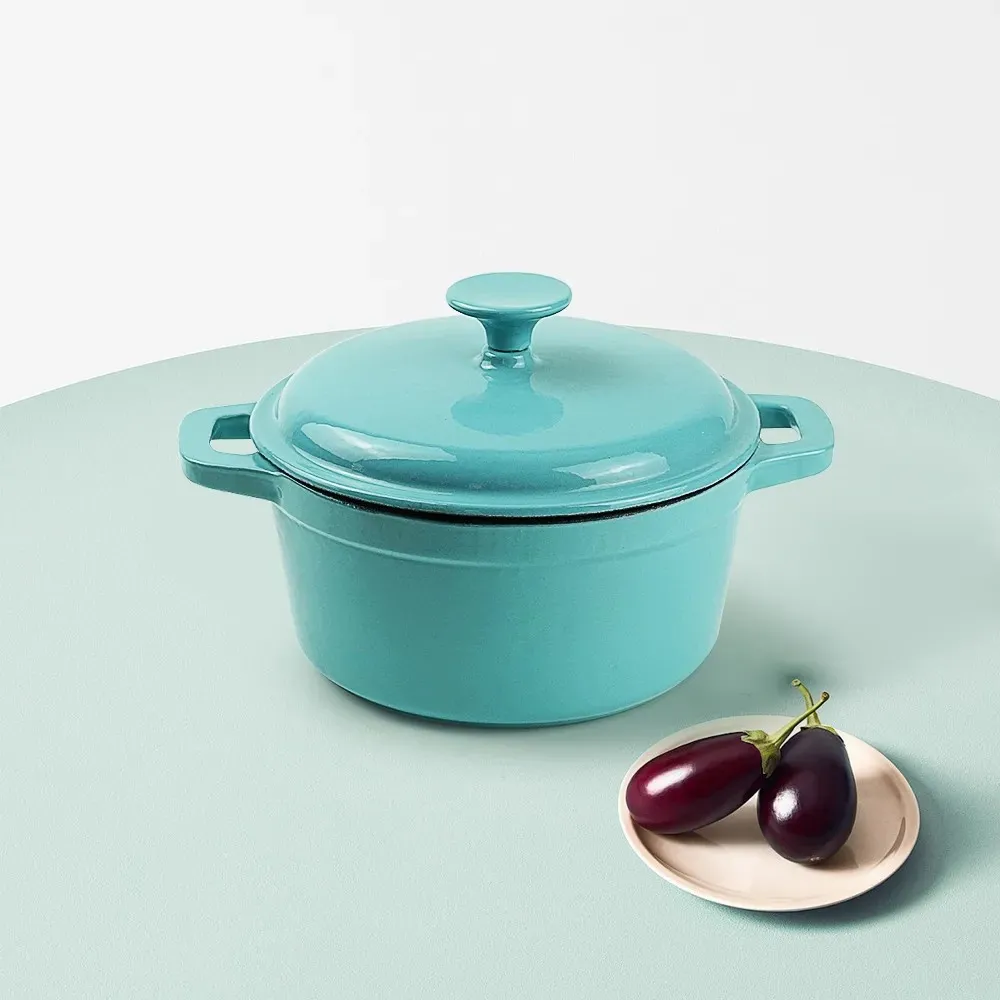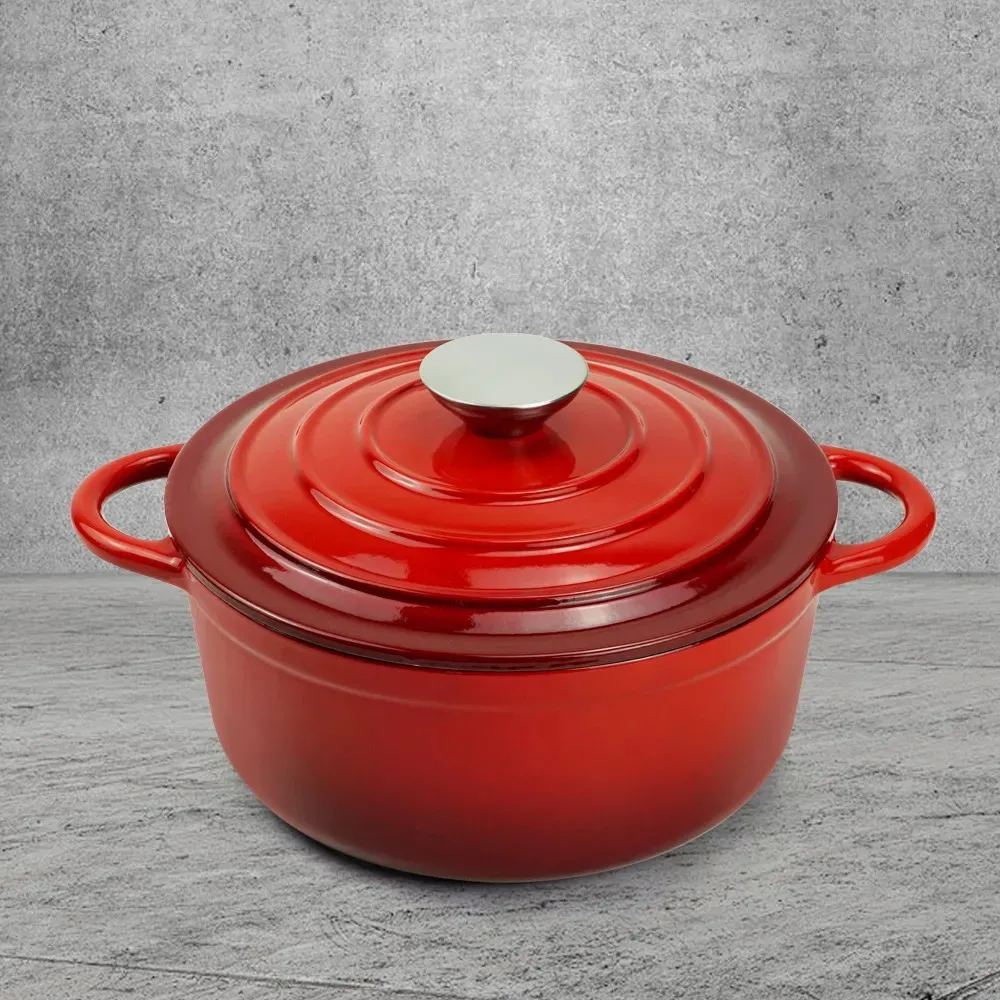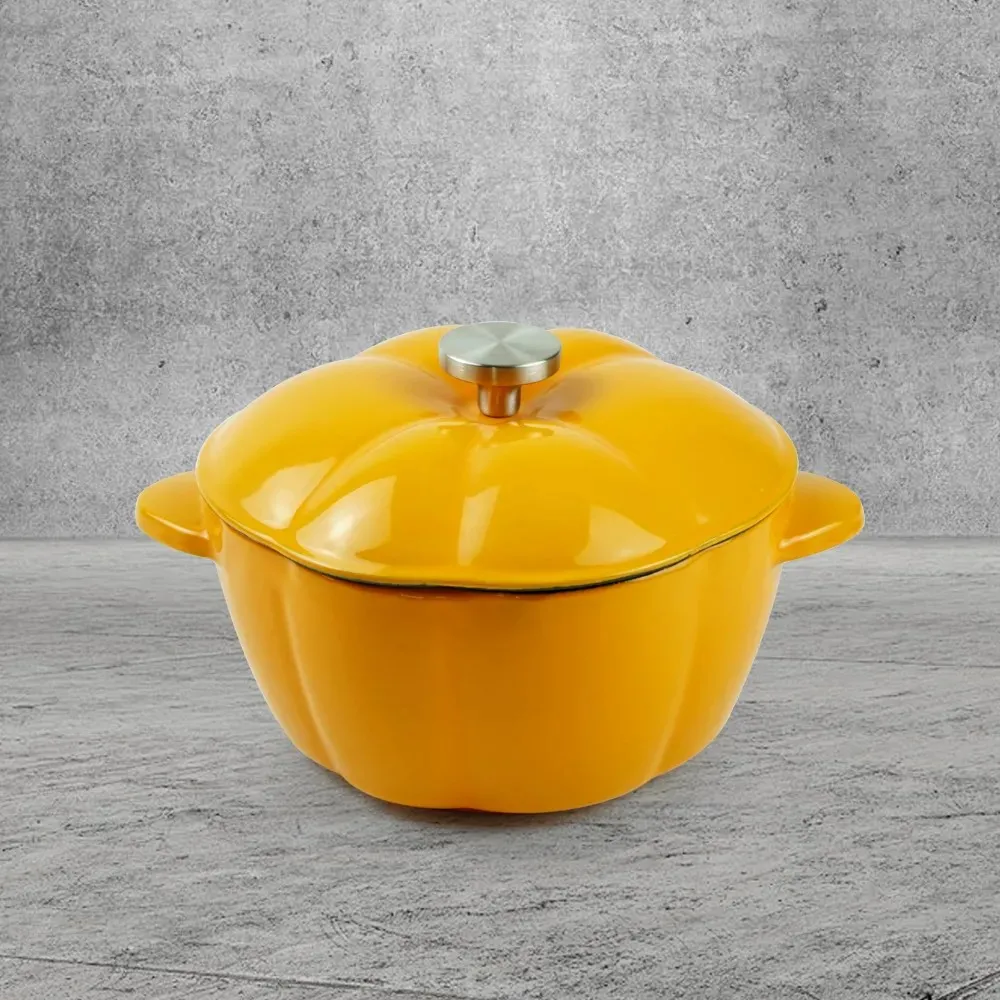
An Enameled Cast Iron Casserole is designed to cook without the routine seasoning required by bare cast iron. If you are searching for do you need to season an enameled cast iron Dutch oven, the short answer is no: the interior is sealed with porcelain enamel, a glass-based coating that does not depend on a polymerized oil film for protection. The more useful question is how to care for an enameled cast iron Dutch oven after simmering tomato sauce, baking bread, or storing it in a humid kitchen. Understanding vitreous enamel, thermal shock, and surface polymerization will help you protect the cookware while avoiding unnecessary oil buildup.

Quick Answer: Do You Need to Season an Enameled Cast Iron Dutch Oven?
No. A properly manufactured enameled Dutch oven does not need the repeated oil-and-heat treatment used to season uncoated cast iron. The enamel forms a continuous, nonporous barrier between food and the iron substrate. It prevents the metal from reacting directly with acidic ingredients and removes the need to maintain a conventional seasoning layer on the cooking surface.
You may still apply a thin film of cooking oil to selected areas:
- the exposed cast iron rim, if the rim is not fully enameled;
- the lid edge or exterior metal contact points;
- a clean surface before long-term storage in a damp environment;
- the interior only when a recipe specifically recommends oil for browning or release.
This light oiling is maintenance, not traditional cast iron seasoning. It should not be baked repeatedly onto the enamel, because excessive heating can leave sticky carbonized residue and make cleaning more difficult.
Dutch Oven Wholesale Basics: How Enameled Cast Iron Works
Cast Iron Core and Vitreous Enamel Surface
Cast iron is an iron-carbon alloy with high thermal mass. It heats more slowly than thin aluminum but retains heat effectively, which is useful for braising, frying, baking, and low-temperature simmering. The cooking surface of an enameled model is covered with vitreous enamel, produced by fusing powdered glass materials to metal at high industrial temperatures.
After firing, the enamel becomes a hard, glass-like coating. Unlike bare iron, it is not intended to absorb oil into microscopic surface irregularities and develop a seasoning film. That is why the following statements are generally accurate:
- Bare cast iron: requires seasoning to reduce corrosion and improve release.
- Enameled cast iron: relies on the enamel coating for corrosion resistance and food contact protection.
- Exposed iron edges: may need drying and occasional oiling because they do not have the same glass barrier.
Why Enamel Does Not Need Polymerized Oil
Traditional seasoning is a controlled form of surface polymerization. When a thin layer of unsaturated cooking oil is heated above its smoking range, oxidation and cross-linking create a bonded, hydrophobic film. This film fills surface texture on bare cast iron and helps reduce sticking and rust.
Enamel already provides a sealed surface. Adding a polymerized oil layer to the interior is unnecessary and can produce brown or black patches, uneven gloss, rancid odors, and smoke during later cooking. The goal for an enameled Dutch oven is not to build a seasoning layer; it is to preserve the integrity of the enamel and keep exposed iron dry.
How to Care for an Enameled Cast Iron Dutch Oven
Step 1: Inspect the Cooking Surface Before First Use
Remove all packaging, labels, and protective materials. Wash the pot with warm water, a small amount of neutral dish detergent, and a soft sponge. Check the interior, rim, lid, and handles under bright light.
Minor color variation, tiny pinholes in the exterior finish, or small marks in the manufacturing surface may be normal, but deep chips, cracks, exposed metal inside the cooking area, or a lid that does not seat correctly should be reported to the seller before use. This inspection is especially important when comparing products from a Dutch Oven Wholesale supplier, because warranty and quality-control policies vary between manufacturers.
Step 2: Apply Oil Only Where It Is Useful
For the first cooking session, add the oil required by the recipe. Do not fill the empty pot with oil and bake it as though it were bare cast iron.
If the rim contains exposed iron, wipe it with approximately 1–2 mL of neutral oil using a paper towel, then remove nearly all visible residue. The surface should look satin-like rather than wet. Excess oil can become sticky, attract dust, and form a carbon film around the lid seal.
Step 3: Preheat Gradually
Place the Dutch oven on a cool or moderately warm burner and increase the heat gradually. Cast iron distributes heat more slowly than many lightweight cookware materials, so high heat can create localized hot spots before the full vessel warms.
For most stovetop recipes, medium or medium-low heat is sufficient after preheating. When searing meat, allow the pot to heat for several minutes, test with a small drop of water or a controlled oil response, and then add the food. Never heat an empty enameled pot on maximum power for an extended period.
Step 4: Prevent Thermal Shock
Thermal shock occurs when different parts of a rigid material change temperature too quickly, creating internal stress. Enamel is durable but relatively inflexible compared with the metal beneath it. A sudden temperature change can increase the risk of cracking, crazing, or chipping.
Use these habits:
- Do not pour cold water into a hot Dutch oven.
- Let the pot cool naturally before washing it.
- Do not place a hot pot directly on a wet stone or cold glass surface.
- When moving from refrigerator to oven, allow the vessel to warm according to the manufacturer’s instructions.
- Use oven temperatures listed by the cookware manufacturer, particularly when the lid has a composite knob.
Step 5: Clean Food Residue Without Damaging Enamel
For ordinary cleaning, soak the cooled pot in warm water for 10–20 minutes, then wash it with dish soap and a nylon or nonabrasive sponge. Enamel is nonporous, so food residue generally remains on the surface rather than penetrating into the cookware.
For burned-on food, cover the residue with water, add 1–2 teaspoons of baking soda, and simmer gently for approximately 5–10 minutes. Turn off the heat, allow the water to cool, and lift the softened residue with a wooden or silicone utensil.
Avoid steel wool, aggressive scouring powders, metal scrapers, and repeated high-speed abrasive cleaning. These tools may dull the finish or create scratches that make later staining more noticeable. Always follow the product’s care instructions before using a dishwasher or chemical cleaner.
Step 6: Dry and Store Correctly
Dry the pot and lid completely, including the rim and underside of the lid. If exposed cast iron remains around the rim, apply an almost invisible film of oil before storage. Store the lid slightly ajar or place a folded kitchen towel between the lid and pot to allow airflow.
Do not store the Dutch oven with standing water, wet food, or a damp cloth inside. Rust on an exposed rim can often be removed with a gentle nylon scrubber, followed by thorough drying and a light coat of oil. Rust or chipping on the enameled interior is a different issue and should be assessed by the manufacturer.
Dutch Oven Wholesale Troubleshooting: Common Problems and Solutions
Brown or Black Marks on the Enamel
Discoloration usually comes from oil oxidation, browned proteins, starch, or overheating rather than a missing seasoning layer. Simmering water with baking soda and using a nonabrasive sponge can reduce the mark. Do not respond by adding more oil and repeatedly baking the pot; that approach can turn a removable residue into a harder carbon deposit.
Food Sticks to the Bottom
Enameled cast iron is not naturally nonstick in the same way as a fluoropolymer-coated pan. Sticking can result from insufficient preheating, excessive heat, wet food, overcrowding, or attempting to turn food before a browned crust forms.
Use enough cooking fat to cover the intended cooking area, preheat gradually, pat meat dry, and leave food undisturbed until it releases more easily. For delicate foods such as eggs or thin fish, a dedicated nonstick pan may be more suitable.
Rust Appears on the Rim
Rust indicates that an exposed iron section contacted water and oxygen. Clean the area promptly, dry it completely, and apply a thin protective oil film. The interior enamel itself should not rust unless it has been chipped or damaged, because the coating separates the iron from moisture and oxygen.
The Enamel Looks Dull or Chalky
Mineral deposits from hard water can leave a pale film. A diluted vinegar solution may help dissolve mineral scale, but it should be used briefly, rinsed thoroughly, and applied only if permitted by the manufacturer. Avoid prolonged acid soaking and abrasive powders.
The Pot Has a Chip
A small exterior chip may be cosmetic, but a chip on the interior cooking surface can expose the iron substrate. Stop using the cookware for food preparation until the manufacturer or retailer confirms whether it is safe. Do not fill a chip with household paint, epoxy, or non-food-grade repair material.
Can You Season an Enameled Dutch Oven?
Technically, oil can be heated onto almost any surface, but that does not make it beneficial. If you ask can you season an enameled Dutch oven, the practical answer is that you should not treat the enamel like bare cast iron. A thin oil coating used for a particular recipe is harmless when controlled, but deliberately baking multiple layers of oil onto the enamel is unnecessary.
The exception is an enameled pot with a clearly specified exposed cast iron area. In that case, follow the manufacturer’s instructions for protecting that small section. Some products have a black matte enamel interior that may resemble raw cast iron; appearance alone is not enough to identify the material. Check the care manual or product specification.
Cooking Performance: What Seasoning Does and Does Not Change
Seasoning does not determine the main heat-retention advantage of a Dutch oven. That performance comes primarily from the mass and geometry of the cast iron body. The enamel layer contributes a sealed food-contact surface, easier acid-food compatibility, and simpler cleaning.
Tomatoes, wine, citrus, vinegar-based braises, and long simmering sauces can be prepared in an enameled vessel without stripping a traditional bare-iron seasoning layer. However, the cookware still needs temperature control. Enamel does not make cast iron immune to overheating, impact damage, or thermal shock.
For bread baking, preheat only within the limits stated by the manufacturer and verify that the lid knob is oven-safe at the selected temperature. For induction cooking, use a burner diameter close to the base diameter and lift rather than drag the pot to reduce the risk of scratching the glass cooktop.
How to Evaluate a Dutch Oven Wholesale Supplier
Restaurants, retailers, and hospitality buyers comparing Dutch Oven Wholesale options should evaluate more than color and capacity. Request technical information about the following points:
- interior and exterior enamel construction;
- base flatness and induction compatibility;
- lid fit and steam-control design;
- handle strength and oven-temperature rating;
- rim protection and exposed iron areas;
- abrasion, thermal cycling, and coating inspection procedures;
- replacement-lid availability and warranty terms;
- carton protection for international shipping.
For private-label or food-service programs, ask for sample testing before placing a large order. A practical evaluation can include a tomato-based simmer, a high-moisture braise, repeated wash cycles, lid-fit inspection, and a visual check for chips after transport. Cookflower can help buyers discuss product specifications, packaging requirements, and suitable enameled cast iron cookware configurations.
Frequently Asked Questions
Do I need to season a new enameled Dutch oven before the first use?
No. Wash it, rinse it, and dry it. Add cooking oil only as required by the recipe. If the rim is exposed cast iron, wipe that area with a very thin film of oil to reduce moisture contact.
Can I use soap on an enameled Dutch oven?
Yes. Unlike a conventional bare cast iron seasoning layer, the enamel does not depend on a bonded oil film. Mild dish soap and a soft sponge are appropriate for routine cleaning.
Can I use metal utensils?
Occasional gentle use may not cause immediate failure, but wooden, silicone, or nylon utensils reduce the risk of impact marks and scratches. Do not strike the enamel with a metal spatula or knife.
Why does my enameled Dutch oven stick even though it is seasoned?
Seasoning is not the controlling factor. Sticking usually relates to heat level, food moisture, insufficient fat, overcrowding, or moving food too early. Adjust the cooking method rather than adding repeated oil layers.
Is an enameled Dutch oven safe for acidic food?
Yes, the enamel is intended to separate acidic ingredients from the iron body. Use the cookware only when the coating is intact, and follow the manufacturer’s instructions for damaged or chipped surfaces.
Can an enameled Dutch oven go in the dishwasher?
Some models are dishwasher-safe, but hand washing generally reduces detergent exposure, staining, and impact from other items. Confirm the recommendation for your exact model before using a dishwasher.
How often should I oil an enameled Dutch oven?
Oil the cooking surface only when needed for a recipe. If exposed iron is present on the rim, apply a nearly invisible layer after cleaning and drying, especially before storage in a humid climate.
Advanced Care Tips for Long-Term Use
Use Heat as a Control Variable
When braising, begin with medium heat to brown ingredients, then reduce to low heat once liquid is added. A gentle simmer should produce small, intermittent bubbles rather than vigorous boiling. This reduces the chance of scorching concentrated sauces on the bottom.
Match the Burner to the Base
A burner substantially wider than the pot base can heat the sidewalls and rim unevenly. Select a burner close to the base diameter, especially on gas and induction cooktops. Lift the Dutch oven when repositioning it instead of sliding it across a glass surface.
Separate Storage Surfaces
If the lid and pot contact each other during storage, place a cloth, paper towel, or manufacturer-approved protector between them. This reduces metal-on-enamel contact and allows residual moisture to escape.
Keep a Maintenance Record for Commercial Use
Restaurants and catering operations can record purchase date, cleaning method, visible chips, and heating complaints. Removing damaged cookware early is more reliable than attempting to hide a coating defect with oil or aggressive scrubbing. For wholesale buyers, this record can also support warranty claims and batch-quality comparisons.
Conclusion: The Right Care for an Enameled Dutch Oven
An enameled Dutch oven does not require conventional seasoning because its porcelain enamel surface is already sealed. Focus instead on gentle cleaning, gradual heating, protection from thermal shock, and careful oiling of any exposed iron. If you are still asking do you need to season an enameled cast iron Dutch oven, how to care for an enameled cast iron Dutch oven, or can you season an enameled Dutch oven, remember the core distinction: cast iron cookware may need a polymerized oil film, while an intact enameled surface does not. For dependable household, hospitality, or Dutch Oven Wholesale requirements, contact Cookflower for product information, customization, and sourcing support.