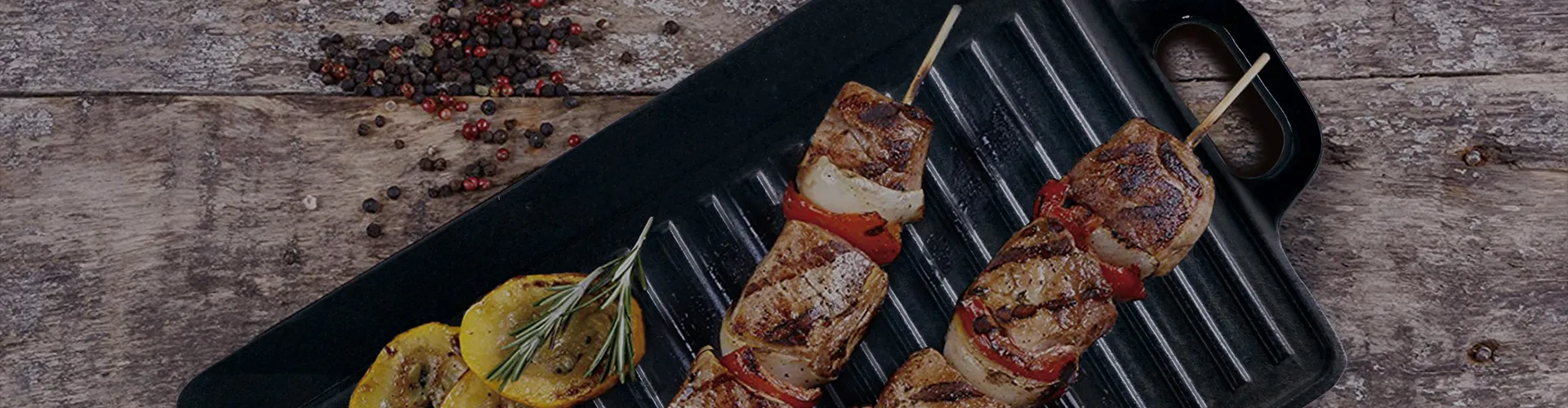
Outdoor grilling is one of the best ways to cook meat, seafood, and vegetables, but not everyone has access to a backyard grill. Apartment living, bad weather, small patios, and busy schedules often make traditional grilling difficult. Fortunately, a cast-iron grill pan can deliver many of the same flavors, textures, and visual appeal right from your kitchen stovetop.
A cast-iron grill pan is designed with raised ridges that mimic outdoor grill grates. Those ridges allow heat to concentrate directly on the food, creating char marks, caramelization, and deep savory flavor. While you will not get the exact smoky flavor of charcoal cooking, you can still produce restaurant-quality grilled food indoors with the right techniques.
One reason cast iron works so well is its exceptional heat retention. Once properly heated, cast iron maintains a stable temperature that helps produce a hard sear and even cooking. Cooking experts consistently recommend cast iron for indoor grilling because of its ability to hold high heat and create strong browning reactions.
Why Use a Cast-Iron Grill Pan?
A cast-iron grill pan offers several advantages beyond convenience. First, it creates beautiful grill marks that instantly make food look more appetizing. Second, the ridges help separate food from excess grease and juices, which mimics the cooking environment of an outdoor grill. Third, cast iron can handle extremely high temperatures without warping or losing performance.
Unlike thin nonstick pans, cast iron distributes heat more evenly and continues cooking steadily even after cold food is added. This is especially important for steaks, burgers, chicken, and thick vegetables that require a powerful sear.
Another major benefit is versatility. A cast-iron grill pan works for far more than steaks. You can grill shrimp, salmon, zucchini, asparagus, peaches, sandwiches, and even flatbreads. Many home cooks also use grill pans year-round because they remove the seasonal limitations of outdoor cooking.

Choosing the Right Cast-Iron Grill Pan
Not all grill pans perform equally well. A heavy pan with deep ridges usually delivers better grill marks and stronger heat retention. Square grill pans provide extra cooking space, while round pans are easier to maneuver and store.
When selecting a grill pan, consider these features:
· Heavy construction for stable heat
· Deep ridges for better grill marks
· A helper handle for easier lifting
· Pour spouts for draining grease
· Pre-seasoned surfaces for easier maintenance
A grill pan with enough surface area prevents overcrowding, which is critical for proper searing. If food is packed too closely together, moisture becomes trapped and the food steams instead of grills.
Properly Seasoning the Grill Pan
Seasoning is one of the most important parts of cast-iron cooking. Seasoning refers to the layer of polymerized oil bonded to the surface of the iron. This protective coating helps prevent rust and creates a naturally nonstick cooking surface.
To season a grill pan:
1. Wash and dry the pan completely.
2. Apply a very thin layer of high smoke-point oil.
3. Heat the pan in the oven upside down at high temperature for about one hour.
4. Allow it to cool slowly.
High smoke-point oils such as avocado oil, grapeseed oil, and canola oil are commonly recommended because they tolerate grilling temperatures better than extra virgin olive oil.
A well-seasoned grill pan becomes smoother and darker over time. The more you cook with it properly, the better it performs.
Preheating Is the Secret to Indoor Grilling
Many people fail with cast iron because they rush the preheating process. Cast iron requires patience. Experts consistently emphasize that insufficient preheating is one of the main reasons food sticks or cooks unevenly.
Before cooking, place the grill pan over medium heat and allow it to preheat for at least 5 minutes. Some cooks even recommend longer for thicker pans. The goal is to heat the entire surface evenly rather than blasting it with extremely high heat immediately.
A properly heated pan should sizzle instantly when food touches the ridges. If the pan is too cool, the food sticks and releases moisture. If the pan is overheated, oil burns quickly and your kitchen fills with smoke.
Many experienced cast-iron users recommend medium or medium-low heat combined with longer preheating instead of turning the burner to maximum. Reddit discussions from cast iron communities frequently point out that excessive heat is the biggest cause of indoor smoke problems.
Oil the Food Instead of the Pan
One of the smartest indoor grilling tricks is lightly oiling the food rather than pouring oil directly into the grill pan. Since grill pans contain grooves, excess oil often pools between the ridges and burns, creating smoke.
A thin coating of oil directly on steaks, vegetables, or chicken usually works better. This approach also helps create cleaner grill marks.
For indoor grilling, high smoke-point oils are especially important. Avocado oil is popular because it can tolerate temperatures above 500°F. Grapeseed and canola oils are also effective options.
How to Get Perfect Grill Marks
Beautiful grill marks come from heat, pressure, and patience. After placing food onto the hot grill pan, resist the urge to move it immediately.
Leave the food untouched for several minutes so the ridges can properly sear the surface. Once the first set of marks develops, rotate the food 90 degrees to create the classic crosshatch pattern.
This technique works especially well for:
· Steaks
· Chicken breasts
· Pork chops
· Zucchini
· Eggplant
· Bell peppers
· Sandwiches
Drying food before cooking is equally important. Moisture is the enemy of browning. Pat proteins and vegetables dry with paper towels before seasoning and grilling.
Managing Smoke Indoors
Indoor grilling naturally produces some smoke, but excessive smoke usually indicates that the pan is too hot or too much oil is being used.
To reduce smoke:
· Use medium heat instead of maximum heat
· Preheat gradually
· Use high smoke-point oils
· Trim excess fat from meats
· Turn on kitchen ventilation before cooking
· Open windows if necessary
Some home cooks also place a metal bowl loosely over the food to mimic the lid of an outdoor grill. This technique helps trap heat and cook thicker cuts more evenly.
If you want smoky flavor without a charcoal grill, ingredients like smoked paprika, chipotle seasoning, smoked salt, or a tiny amount of liquid smoke can help recreate barbecue-style flavor indoors.
Best Foods to Grill Indoors
Steak
Steak is arguably the best food for a cast-iron grill pan. The intense heat creates a rich crust while the ridges produce dramatic grill marks. Thick steaks benefit especially from cast iron because the pan maintains temperature even when cold meat is added. Professional chefs often recommend cast iron for steak because of its exceptional searing ability.
Chicken
Boneless chicken breasts and thighs cook beautifully on a grill pan. Marinating chicken beforehand adds moisture and flavor, but wipe away excess marinade before cooking to avoid burning.
Vegetables
Vegetables develop incredible sweetness and caramelization on cast iron. Zucchini, asparagus, onions, mushrooms, corn, and peppers are excellent choices.
Seafood
Shrimp, salmon, tuna, and scallops grill particularly well indoors. Cast iron helps create a crisp exterior while keeping the interior tender.
Sandwiches
Paninis and grilled sandwiches become extra crispy and flavorful thanks to the ridged cooking surface.
Cleaning and Maintaining the Grill Pan
Cleaning a cast-iron grill pan requires slightly different care than cleaning regular cookware. Soap is not always necessary, and harsh scrubbing can damage seasoning.
After cooking:
1. Allow the pan to cool slightly.
2. Rinse with hot water.
3. Use a brush or scraper to remove stuck food.
4. Dry thoroughly.
5. Apply a very thin layer of oil before storing.
Salt is sometimes used as a gentle abrasive for stubborn residue. Experts also recommend reheating the pan briefly after washing to ensure all moisture evaporates completely.
Consistent maintenance is what allows cast iron to last for decades. Many well-maintained cast-iron pans are passed down through generations.
Common Mistakes to Avoid
Using High Heat Immediately
Cast iron needs gradual heating. Turning the burner to maximum too quickly can create hot spots, smoke, and damaged seasoning.
Overcrowding the Pan
Too much food lowers the pan temperature and traps steam. Cook in batches if necessary.
Moving Food Too Early
Food naturally releases once a crust develops. If it sticks badly, it usually needs more time.
Using Too Much Oil
Excess oil burns quickly in grill pan grooves and creates smoke.
Storing the Pan Wet
Even small amounts of moisture can cause rust.
Final Thoughts
Learning how to grill indoors with a cast-iron grill pan can completely change home cooking. While it may not fully replace the experience of outdoor charcoal grilling, it delivers impressive searing, attractive grill marks, and deeply satisfying flavor from the comfort of your kitchen.
The key is understanding how cast iron behaves. Proper seasoning, patient preheating, moderate heat, and good maintenance make all the difference. Once you master those basics, a cast-iron grill pan becomes one of the most versatile and rewarding tools in your kitchen.
Whether you are cooking steaks during winter, grilling vegetables in a small apartment, or simply avoiding the hassle of outdoor grilling, cast iron provides a practical and professional-quality solution. With practice, you can create indoor grilled meals that rival many outdoor barbecue setups while enjoying the convenience of year-round cooking.