News
Jan. 28, 2026
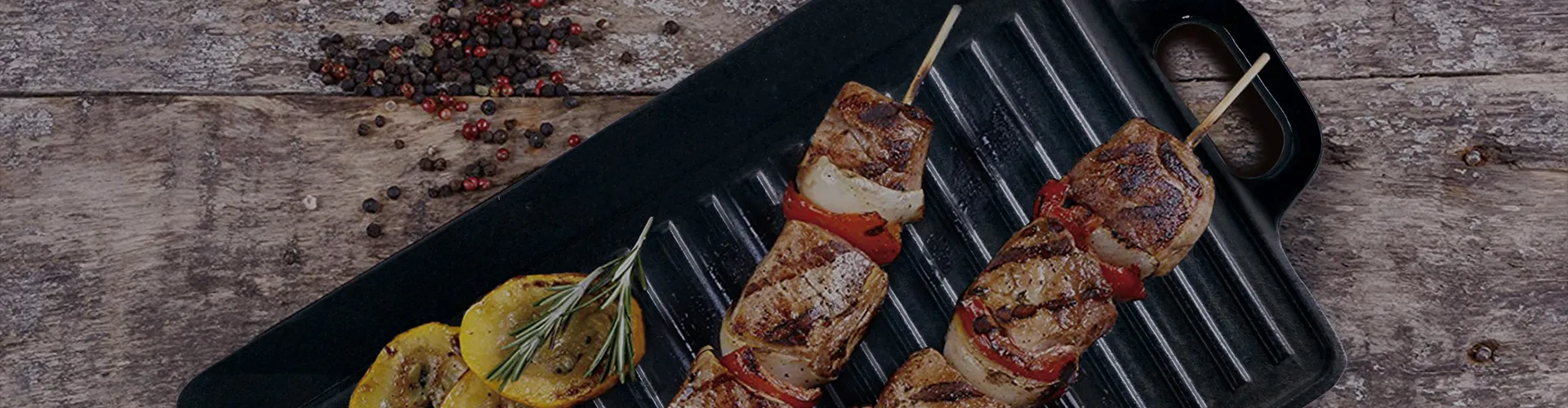
A cast iron sizzler is a type of serving platter that keeps food hot while creating a dramatic, sizzling presentation. Cookflower offers several varieties to suit different presentation styles. For example, the Cast Iron Steak Platter/Sizzler with a wooden liner and a pan shaped like a kadai is very popular in restaurants for serving kebabs, chicken tikka, and mixed platters.
Serving food on a sizzling plate provides a dramatic introduction to the dish. Sizzlers reached the height of their popularity in the 1970s but became less common over time, likely due to burns and splatters making the presentation more hazardous than enjoyable. Despite this, restaurants continue to use sizzlers effectively, taking advantage of their heat retention and theatrical presentation.

In fact, it is quite an easy process.
1. An oiled cast iron thick plate is heated over a flame to just below the oil’s smoking temperature.
2. It is then transferred to a trivet or wooden carrier tray, and the food is served onto the iron plate.
3. Immediately, it will begin to sizzle and may splatter a little.
· It may be best to wear a protective apron to protect your clothing.
· Be careful of eyes and face.
· Make sure the plate is placed on a surface when transferring food, and not held by the wooden tray by an operator.
Caring for hot plates is an important aspect of their use.
These plates may be used less frequently than other cast iron or ironware cooking implements. Washing them can cause rusting and damage the seasoned surface. However, for infrequent use, washing is necessary because small amounts of dried or carbonized food may adhere to the plate, attracting insects, vermin, or bacteria.
Long-term storage of oiled ironware in confined spaces can lead to a mild rancid odor over time. To maintain the plates:
1. Wash thoroughly and scour the surfaces to remove residue.
2. Rinse carefully to remove all detergent.
3. Dry completely; you may even flame the plate briefly on both sides.
4. Store in the original packaging in a dry area.
IMPORTANT: Use vegetable or cooking oils only. Mineral oils are unsuitable and potentially dangerous for anyone eating from these treated plates.
1. Clean the Plates: Ensure the plates are clean. Using a dishwasher or dishwashing detergents is a good way to prepare them. This step is the same as for any cast iron cookware, such as skillets. The goal is to create a non-stick surface and a thin protective oil layer to prevent rust.
2. Apply Oil: After cleaning and drying, heat the plates over a flame to high heat. Add a small amount of cooking oil to the surface—it may splatter.
3. Spread the Oil: Allow it to settle slightly, then carefully swirl the plate or use paper towels to spread the oil evenly over both the top and bottom surfaces.
4. Heat Until Smoking: Place the plate back on the flame and heat until the oil just begins to smoke. Be careful to prevent ignition.
Recommended Oil: Peanut (groundnut) oil is preferred due to its high smoke point and resistance to oxidation.
The goal is to heat the plate enough to keep the food hot for a prolonged period and to add the final grilling or cooking effect as the dish is served. The sizzling sound you hear is generally water boiling out of the food.
Since the boiling point of water is 100°C (212°F), any plate temperature above this will cause the sizzling. A recommended temperature range is 150°C to 200°C (300°F to 390°F), preferably below the smoke point of the oil. This helps preserve flavor, avoiding the charred, oxidized taste of overheated oil.
There is some research suggesting that smoking oils may pose health risks, such as contributing to atherosclerosis, although this is not universally accepted by all scientists. Only a few oils have smoke points within the recommended range.
For more information on Cookflower Cast Iron Steak Platters/Sizzle Plates, contact us today!
Latest News

A cast iron rectangular bread pan
Jul. 27, 2026

Busy Cookware Production at Hebei Chuihua Casting
Jul. 20, 2026

What should you do when you receive a new pot
Jul. 07, 2026
Hot Products